Emergency discomfort is messy. It shows up with sirens, in crowded waiting rooms, on football ovals, at roadside barriers. It can be a torn shoulder shouting at remainder, a smashed hand that looks deceptively fine, or a postoperative abdomen where pain jumps with every cough. The job in those moments is not to contemplate about discomfort, yet to gauge, minimize, and check it quickly, safely, and with the client's trust fund. The nationwide unit PUAEME008 Provide Discomfort Monitoring orders what proficient responders and medical professionals do when secs issue and resources are patchy. Having actually trained crews in metropolitan ambulance solutions and remote industrial sites, and having sat close to adequate individuals to know what helps and what injuries, I see PUAEME008 as a toolkit for practical judgment as high as a set of protocols.
What PUAEME008 asks of you in the real world
PUAEME008 Offer Discomfort Administration focuses on organized assessment, secure choice of analgesic choices within your scope, vigilant surveillance, and timely escalation. It is instructed across sectors since pain is an universal threat multiplier. An individual in extreme pain breathes shallowly, guards motion, spikes in high blood pressure, and can shed composure. That waterfall complicates every little thing from diagnostics to airway management. A lot of discomfort administration courses cover scales and drug names. An excellent pain administration certificate course goes even more, demanding context: the client's physiology, the atmosphere, readily available devices, and the means discomfort acts over mins instead of hours.
The proficiency map behind PUAEME008 has 3 pillars. Initially, quick assessment that integrates pain strength with system of injury, red flags, and feature. Second, treatment choices calibrated to extent and setup, from nonpharmacological measures up to breathed in analgesia or, where allowed, opioid titration. Third, continual reassessment, documents, and handover that can stand up to both medical examination and lawful review.
Rapid assessment that appreciates time and tissue
I educate trainees to assume in loopholes rather than lines. The initial loophole is safety and security, ABCs, and perfusion. If the air passage is noisy and the radial pulse is thready, pain management waits. When you have breathing and circulation in control, you can transform to discomfort with the same discipline.
Start with the client's own words. Ask for a ranking making use of a 0 to 10 numeric scale. If the person battles with numbers, utilize a faces range or straightforward language: no discomfort, mild, moderate, extreme, worst. Anchor what the number means. I frequently state, "No is no pain, ten is the most awful pain you can imagine." A rating of 7 with shallow breathing and facial grimace is not the like a patient 7 defining limited chest stress. Numbers are signals, not verdicts.
Then probe device and top quality. A clean cut laceration stings and throbs. A femur crack has deep, movement-triggered pain that radiates. Colicky best upper quadrant pain indicate biliary issues; pleuritic chest discomfort boosts with motivation. Your inquiries need to aim at pattern acknowledgment and danger. Is the discomfort new, sudden, tearing, stress like, positional? Does it change with activity, palpation, or respiration? In an emergency setting, you measure discomfort not merely to ease suffering, yet to eliminate the catastrophic: fractured ectopic pregnancy, heart attack, severe abdominal areas, area disorder, spine compression.
Objective procedures matter. Videotape respiratory system price, oxygen saturation, heart rate, blood pressure, temperature, and level of consciousness. Note pain behaviors: securing, grimacing, diaphoresis, anxiety. In nonverbal grownups or children, empirical devices like FLACC assistance equate habits into a rating. I carry a psychological list. If discomfort drives tachycardia and hypertension in a formerly normotensive individual, expect analgesia to aid support vitals. If discomfort and hypotension ride together, beware with agents that can drop high blood pressure further.
Immobilization and placing matter as early treatments. Splint a thought fracture before offering opiates if you can do it gently. Boost and apply cold packs to soft cells injuries, shielding the skin. Urge slow-moving, diaphragmatic breaths in rib injuries. A cushion under flexed knees eases stomach guarding. These are not sugar pill steps. They decrease outer nociceptive input, which acquires time and needs no prescription.
Matching treatment to scope and risk
A normal PUAEME008 offer pain management framework stresses acting within your qualifications and procedures. In Australia, several very first -responders and some office paramedics lug breathed in methoxyflurane, dental analgesics, and in some cases intranasal fentanyl. Nurse practitioner and paramedics may hold wider ranges with titrated IV opioids or ketamine. In a rural facility or mine website, you might have a lean kit and forty minutes to the nearby health center. The very best pain administration training educates you to stretch your options without overstepping.
Methoxyflurane attracts dispute since it is simple, acquainted, and not benign. It functions promptly for modest to severe trauma pain, recognizable relief in two to three minutes with self-administered control. The pros are rate and simplicity. The disadvantages consist of wooziness, drowsiness, and a ceiling impact. It is likewise best stayed clear of in significant hypotension and in those with renal risk. In technique, if I have a mindful trauma person with a lengthy transportation and stable vitals, methoxyflurane can be a bridge. Maintain the individual supine or seated firmly, monitor for sedation, and log overall dose.
Intranasal fentanyl, where allowed, is a workhorse for extreme pain. Absorption is rapid, application is simple, and venous accessibility is not called for. It matches fractures, burns, and large soft cells injury. The danger profile needs regard: breathing clinical depression is uncommon in titrated dosages, but possible, especially in opioid naive senior or those with existing side-by-side sedatives. Have oxygen ready, monitor end tidal carbon dioxide if you lug capnography, and reassess every couple of minutes. My rule is to titrate to operate, not to zero. If the individual can endure activity and take a breath generally at remainder, that is adequate in a field setting.
Opioids given IV come from qualified ranges and clear methods. Morphine and fentanyl vary in kinetics and histamine release, with morphine most likely to drop high blood pressure in the volume diminished. For injury where blood loss is feasible, I favor little aliquots of fentanyl, titrated, while packing liquid carefully. For metabolic or kidney pain, such as ureteric colic, IV opioids are effective, but take into consideration accessories like antiemetics and, where encouraged, NSAIDs if renal feature permits. Good pain management courses for nurses and paramedics worry the factors behind these choices, not simply memorizing lists.
Ketamine makes its place for severe injury pain, specifically if hypotension is a threat. Dissociative application for analgesia at subanesthetic degrees does not endanger respiratory tract reflexes and commonly boosts it by reducing frustration. The dissociation can be distressing to patients and carers; a certain explanation beforehand helps: "This medicine reduces discomfort and your brain may really feel detached. I will stick with you and talk you through it." Look for hypersalivation, nystagmus, and uncommon emergence responses. In the area, the benefits frequently surpass the drawbacks, specifically if extrication is rough.
NSAIDs and paracetamol add more than they are sometimes attributed for, specifically in bone and joint and oral pain. Oral or IV paracetamol is secure across a large range, conscious of hepatic restrictions. NSAIDs include anti inflammatory result, efficient in renal colic and soft tissue injuries, however avoid in believed blood loss, peptic abscess disease, kidney problems, or late pregnancy. Simply put transport settings, these may not act promptly; in long transports or in ED, they lower overall opioid requirement.
Nonpharmacological actions proceed throughout transport. Disturbance, assisted breathing, and keeping the person cozy and covered are emergency pain management not precisions. They transform assumption and decrease understanding drive. In pediatrics, bubbles, a parent's voice, and quick, sincere descriptions decrease fight, which decreases pain.
The clock is part of the treatment
PUAEME008 stresses reassessment, and forever factor. Discomfort is dynamic. The crack that rests quietly on a cot barks when you round an edge. The stomach discomfort that really felt scattered at pick-up centers to the right lower quadrant after twenty minutes. The neck and back pain that is convenient with rest ends up being excruciating with leg weak point, pointing to cauda equina. Every analgesic has a time to onset and a time to top. Deal with pain like a moving target and you will certainly prevent both over and under treatment.
Reassess pain scores at certain periods linked to the agent utilized: every five minutes after intranasal fentanyl or IV opioids, every 10 to 15 mins after oral or breathed in agents. Couple ball game with important signs, respiratory system effort, and psychological condition. Paperwork needs to read like a tale with time stamps. "13:10 - Client states 8/10 sharp left lower arm discomfort, deformity mid shaft distance, radial pulse present. Methoxyflurane commenced. 13:14 - Discomfort 5/10, RR 18, SpO2 98, calmness, splint used. 13:20 - Pain 3/10, able to endure activity onto inside story."
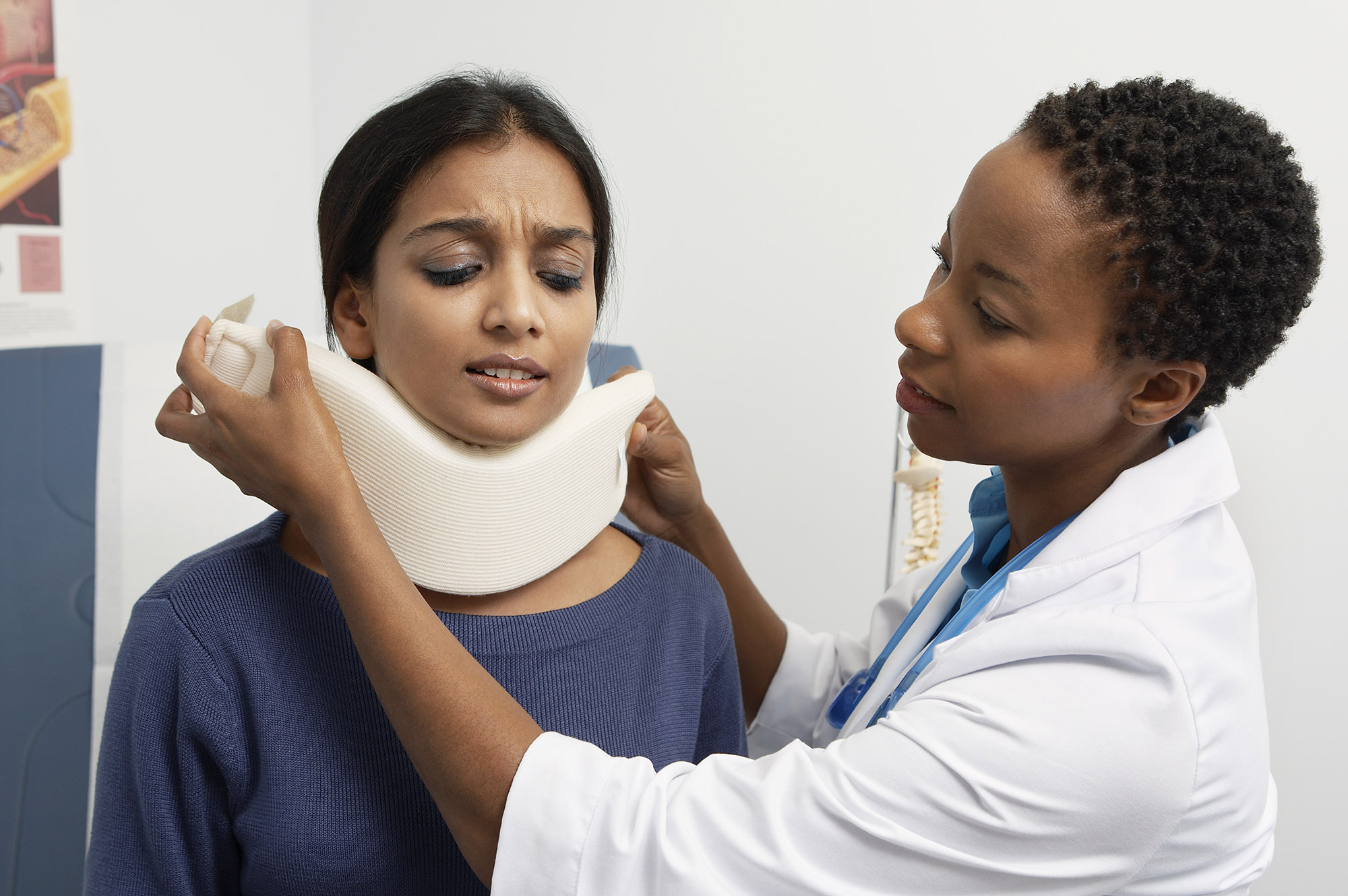
Handover becomes part of the therapy. A full record to the getting group prevents replication, stays clear of overdosing, and respects the person's experience. Include the initial assessment, what you provided and when, what altered, and any kind of problems or warnings you kept in mind. Knowledgeable pain administration training courses pierce this habit so that it lingers under stress.
Safety nets and red flags that override routine
Most pain in emergency settings is uncomplicated. Some discomfort poses and penalizes complacency. PUAEME008 offer pain monitoring structures ask for rise when specific patterns appear.
A squashing main breast discomfort radiating to arm or jaw, specifically with diaphoresis and queasiness, changes the top priorities. Analgesia ought to not postpone ECG and reperfusion paths. If offering opioids, go gradually, enjoy blood pressure, and stay clear of concealing recurring ischemia signs. Nitroglycerin aids ischemic discomfort in selected individuals, however it can drop stress precariously in ideal ventricular infarct or in those who took phosphodiesterase inhibitors.
Acute severe migraine described as unexpected and worst of life, especially with neck rigidity or neurological deficiency, indicate subarachnoid hemorrhage or intracranial disaster. Hostile opioid management can jeopardize neurologic analysis. Go for convenience, darkness, peaceful, and punctual transportation. Treat nausea. Prevent agents that cloud consciousness unless airway and neuro surveillance are assured.
Acute abdominal pain in a pale, hypotensive individual asks for very little disturbance. Keep them nil by mouth, placement of convenience, careful fluids, and fast transport. NSAIDs would be unwise, as would hefty opioids that mask peritoneal signs if surgical evaluation looms. Where pain is extreme and activity inescapable, small titrated doses to make it possible for transfer are suitable, recorded clearly.

Severe neck and back pain with brand-new saddle anesthesia, urinary retention, or bilateral leg weakness is a neurosurgical emergency situation. Pain alleviation issues, however the primary work is rate. Record standard neuro condition and protect the spinal column throughout transfer.
Isolated arm or leg trauma with pain disproportionate, strained compartments, and intensifying pain with passive stretch is a very early compartment syndrome caution. Splinting and gentle altitude help; ice in straight get in touch with concerns me as a result of vasoconstriction. Rise, reassess neurovascular standing repeatedly, and beware about over sedation that might hide deterioration.
Building person rely on minutes
Pain is sensory and psychological. The fastest drugs in the bag can not conquer mistrust. When I enter a confined space rescue or a home lounge, my first few sentences set the tone. I call myself, ask the individual's name, and say plainly, "I'm mosting likely to assist with your pain while we make a plan." Permission, even when implied, goes much better with specific choices. "You can breathe this medicine while you hold the mouth piece. It works rapidly, and you're in control. I'll see your breathing and ask how it really feels." Clients who feel control demand less medicine and recoup faster.
Cultural context issues. For some, admitting pain feels weak. For others, vocalizing discomfort is the only way to get heard. A translator or a member of the family can assist, but preserve personal privacy and self-respect where possible. In pediatric pain, I intend my explanations at the child and then validate with the moms and dad. In elderly clients, check hearing and reduce your words. Ask about home discomfort medicines and timing; polypharmacy modifications run the risk of rapidly.
Training that sticks under pressure
There is no single pain monitoring training course that turns newbies right into masters. Capability constructs with scenario rep, feedback, and exposure to irregularity. If you are picking among discomfort administration courses, search for ones that require hands on method, not just lectures. A certification program in pain monitoring need to consist of substitute tracking, application estimations, contraindications, and documents drills. For first responders and work environment paramedics, brief programs hurting administration that align with PUAEME008 provide sensible structures that are promptly usable. For clinicians, pain monitoring programs for nurses and discomfort monitoring programs for physiotherapists need to expand beyond pharmacology into interaction, practical evaluation, and non medication techniques that speed rehabilitation.
An excellent discomfort administration certification strengthens integrity and straightens with business procedures. In some territories, a discomfort administration certification training course may be required prior to bring methoxyflurane or providing intranasal opioids. For medical facility or prehospital personnel, pain management training for registered nurses focuses on titration abilities, sedation ranges, and escalation to medical testimonial. The aim is not a badge, but a behavior of secure, humane, reproducible care.
Documentation that does more than please policy
The checklist mindset can create clean and sterile notes. Great records inform the professional tale without drama or opinion. They record baseline discomfort, feature, vitals, the rationale for picked treatment, the doses and times, the action, any type of unfavorable effects, and the plan. If an individual refuses analgesia, document the offer, conversation of dangers and advantages, and the individual's words. If a language obstacle exists, name the interpreter and technique. A record that reveals professional thinking shields the patient and the provider.
Auditing your very own cases educates greater than any lecture. Review 3 or 4 graphes a month and ask whether the discomfort rating moved, whether review was timely, and whether alternate representatives may have functioned better. Groups that debrief after hard situations enhance faster than teams that do not. Maintain it interested, not punitive.
Practical situations that evaluate judgment
Imagine a 32 years of age motocross motorcyclist with an obvious tib fib fracture, pain 9 out of 10, BP 122/76, HR 108, SpO2 99 percent, GCS 15. You have methoxyflurane, intranasal fentanyl, and a vacuum cleaner splint. Beginning with placing, reassure, and use a quick manual stablizing. Methoxyflurane acquires early relief while your partner preps the splint. After two mins, intranasal fentanyl at a conventional dose reduces the spikes during motion. You reassess pain to 4 out of 10 before filling. The individual can take a breath steadily, and transportation is smoother. You maintain speaking, alert before bumps, and record times and responses.
Contrast that with an 83 year old on warfarin who insinuated the restroom, currently with back pain and new left leg weakness. Pain 7 out of 10 at remainder, BP 158/90, HR 96, SpO2 96 percent. Right here, paralyze gently, avoid too much opioids that cloud neurology, think about little titrated doses if needed to allow transfer, and rise early for imaging. File baseline neuro status, warfarin usage, and the moment of last dosage. The pain issues, but the red flags matter more.
A third scenario: a 24 years of age with extreme cramping reduced abdominal discomfort, pale and diaphoretic, HR 120, BP 92/60, last menstruation duration six weeks earlier. The likelihood of ectopic pregnancy increases. Maintain her supine with legs slightly elevated, oxygen as needed, IV access, cautious liquids, and transportation rapidly. Analgesia should not delay treatment; small titrated doses to decrease distress are sensible, yet focusing on speed and surveillance is the best phone call. Your documents will certainly anchor later decisions.
Where physiotherapists and nurses suit the chain
Emergency pain management is not just concerning code 1 actions. Pain reframed early changes trajectories in ED and on wards. Registered nurses triage pain on arrival, initiate standing orders for oral analgesia, and flag high risk discussions. Discomfort monitoring training for nurses equips them to identify poor control, to intensify for more powerful representatives, and to keep an eye on sedation ranges with roughness. Physio therapists experience sharp pain throughout mobilization. Pain monitoring training courses for physiotherapists that consist of education on timing analgesia before gait retraining, use of cool or heat suitably, and breathing methods can transform a session from unproductive to pivotal. Their observations often identify of foot decline, radicular patterns, or unmodifiable discomfort that needs medical review.
Multidisciplinary sychronisation makes analgesia extra effective. A registered nurse times oral or IV medications so a physiotherapist gets a 30 to 60 min window of maximum impact. A medical professional readjusts dosing due to the fact that the physio therapist keeps in mind that discomfort spikes after therapy however works out within 20 mins. This cycle of observation and modification is a system degree expression of PUAEME008 thinking.
When much less is much more, and when it is not
There is an understandable worry of over sedation. I share it, and I show it. Respiratory system depression is uncommon with careful titration, however unusual is not never. The antidote to that risk is not under treating pain. It is prep work: surveillance, proper application, and readiness to interfere. The senior person with rib cracks that breathes shallowly as a result of discomfort goes to threat of pneumonia and respiratory system failing. Cautious opioid use, nerve obstructs where offered, and motivation spirometry avoid downstream damage. In contrast, the person with uncomplicated ankle sprain who entrusts to 20 opioid tablets as a result of a hurried script deals with a various damage. Discomfort administration is a scientific ability built on discernment.
In the prehospital globe, I see the lure to move fast and defer pain alleviation to the medical facility. That option in some cases makes sense: a brief transportation in metropolitan setups with active hemorrhage control and airway priorities. More often, tiny, very early, titrated analgesia transforms the maneuver from cot transfer to torture. It additionally boosts essential indications and reduces anxiety that can mask scientific modifications. Watch out for absolutes. Use your training, your protocols, and your professional eye.
Choosing training that transforms behavior
The market for pain management training is wide. Some discomfort management accreditation programs provide thick concept with slim method. Look for pain management training courses that replicate the actual disorder: a loud scene, a missing piece of kit, a second patient calling out, a time critical warning. An offer pain administration program straightened to PUAEME008 should cover:

- Scenario based evaluation that incorporates discomfort ranges with mechanism, vitals, and red flags. Medication choice and titration within range, including methoxyflurane, intranasal representatives, and IV options where permitted. Nonpharmacological techniques and splinting under pain load. Monitoring, adverse result recognition, and safe handover.
Beyond certificates, go for refreshers. Abilities boring without use. A discomfort monitoring accreditation restored every 2 to 3 years with interim drills keeps confidence high. If you are a manager, send out sets or teams, not solo students. Communication and duty quality around analgesia often stop working at the group level, not the individual.
The principles of relief
Pain is subjective, however our obligations are not. We owe individuals earnest attempts to minimize suffering, within risk-free boundaries. We owe culture careful stewardship of dangerous drugs. PUAEME008 sits in the center of those duties, asking you to act decisively and thoughtfully. The patient yelling in the back of the truck, the kid with a damaged lower arm, the senior with a pain management courses for nurses hip fracture, all deserve your best. That indicates a systematic strategy, a dosage of humankind, and the discipline to revisit your choices as the situation evolves.
Emergency pain monitoring is not extravagant. It is a craft of little actions done promptly. Ask, look, touch carefully, support, dosage, watch, paper, turn over. Repeat. If you look for a pain monitoring certification, choose one that checks your judgment as long as your memory. If you show, highlight realistic look. If you lead, back your groups when they pick humane, kept track of analgesia. Pain will certainly never ever be basic. Our method can be.